The United Nations Children’s Fund (UNICEF) has advocated the inclusion of the voices of children in making policy statements that have a direct bearing on their future.
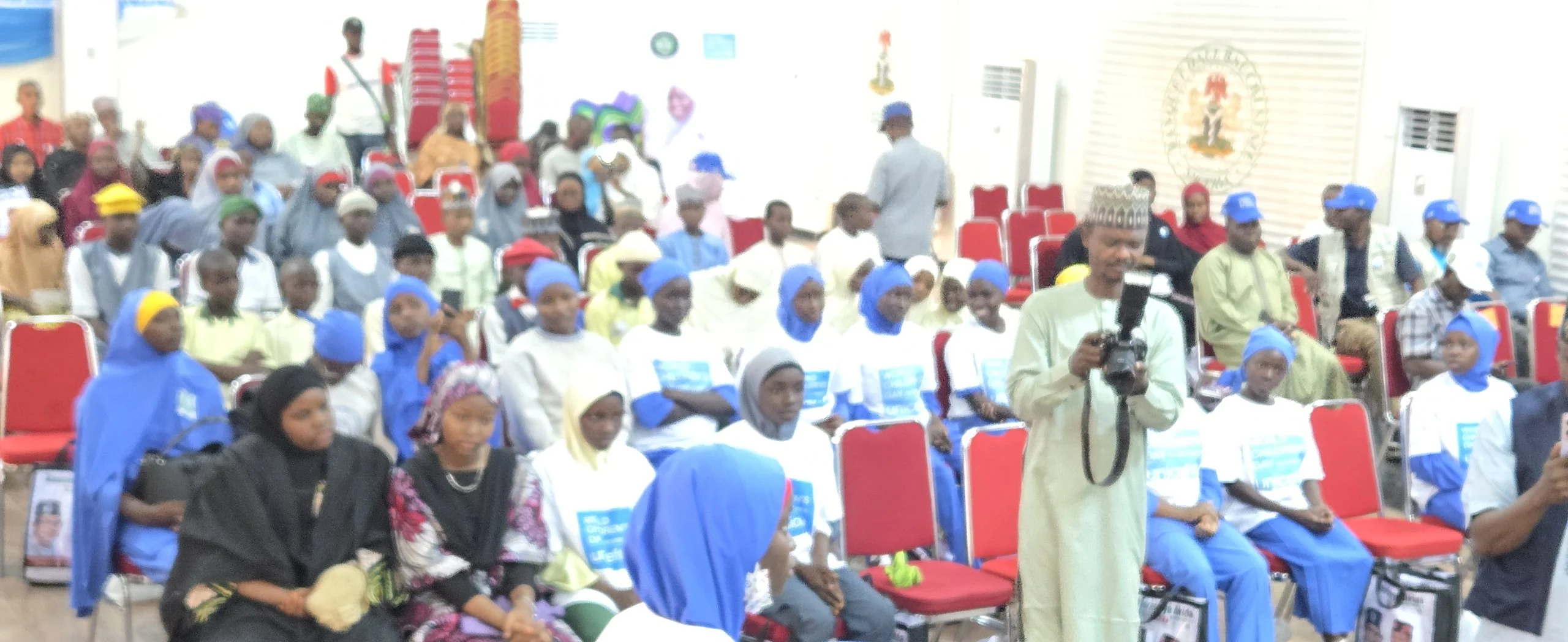
The remarks were made by Dr Nuzhat Rafique, Chief, UNICEF Bauchi Field Office, on Saturday during the commemoration of the 2026 World Children’s Day celebrations held at the new Banquet Hall of the Government House.
She said, “Today, we are gathered for a very important reason: to celebrate children, recognize their rights, amplify their voices, and renew our collective commitment to building a better and brighter future for every child.”
She said, “This year’s theme, “Choose a Future for Children,” is both a call to action and a reminder that the future of our children depends largely on the choices we make today. World Children’s Day is more than just a celebration. It is an opportunity to reflect on our responsibilities towards children and to remind ourselves that children are not merely the leaders of tomorrow; they are important members of society today.
Represented by Abdurahman Ibrahim Ado, she said, “Their voices matter, their opinions deserve to be heard, and their dreams and aspirations should influence the decisions that affect their lives. As we gather here today, we must recognize that every child deserves the best possible start
in life.”
Rafique added, “This begins from pregnancy through the first 1,000 days of life, when adequate
healthcare, good nutrition, and protection lay the foundation for a child’s growth and development.”
“We must also confront the challenges that continue to prevent children from accessing quality education. Poverty, insecurity, gender inequality, disability, and geographical location should never determine a child’s opportunity to learn. Every child deserves access to quality education, regardless of their background or circumstances,” She added.
The UNICEF Chief further said, “Today is also about giving children the opportunity to speak for themselves. We must listen
to their concerns, understand their experiences, hear their dreams, and allow them to ask questions and share their expectations of government and other stakeholders. After all, decisions about children should not be made without children.”
She stressed that choosing a future for children meant making deliberate investments in their health, nutrition, education, safety, protection and overall well-being.
According to her, “It means developing policies that put children first, allocating resources to
essential services, strengthening our communities, and ensuring that no child is left behind.”
Rafique added, “This year’s World Children’s Day also serves as a launch of the UNICEF@80 as the
organization approaches its 80th anniversary on December 11. The world made a historic global commitment made in 1946 to protect children, regardless of their nationality, background, or circumstances. Eight decades later, that commitment remains as important as ever.”
“Today, children continue to face challenges arising from poverty, conflict, climate change, inequality, and limited access to essential services. These challenges require
renewed commitment and collective action,” She added.
She stressed, “Let us therefore understand that choosing a future for children is not the responsibility of
government or UNICEF alone. It is a shared responsibility. Parents must nurture and protect their children. Teachers must provide opportunities for learning. Communities must create esafe and supportive environments.”
According to her, “The private sector must invest responsibly, while
government and development partners must strengthen policies, programmes, and services
that promote children’s rights.”
She turned to children, saying, “To our dear children and young people, today is your day. Your voices are important, your dreams are valid, and your contributions matter. Do not be afraid to speak up, ask questions,
express yourselves, and tell us the kind of future you want. We are here to listen, learn from you, and take action.”
She concluded, “Let us choose to invest in children. Let us choose to protect them. Let us choose to
educate them. Let us choose to listen to them. Above all, let us choose a future where every child has the opportunity to survive, thrive, learn, and reach their full potential.”
Also speaking, the State Commissioner for Education, Abdulkadir Ibrahim, stressed the importance of carrying children along in policy formulation, considering that they must be made to understand.
The commissioner added that the ministry was doing everything possible to ensure a conducive learning environment in all public schools in line with the best world standard practices.
Also speaking, the Executive Chairman of the State Universal Basic Education Board (SUBEB), Alhaji Abubakar Isah Baba, commended UNICEF and other development partners for always coming around with various interventions that had contributed to the improvement of basic education.
The Emir of Bauchi, Alhaji Rilwanu Suleimanu Adamu, assured that the traditional institution would continue to support the development and growth of education in their various emirates.
There were goodwill messages from various organisations and individuals stressing the importance of education for children.
WATCH TOP VIDEOS FROM NIGERIAN TRIBUNE TV
