Follow THISDAYLIVE on GoogleAdd us as a preferred source to see more of our stories in Google
Femi AKintunde-Johnson
There are people whose contributions to an industry are measured by the applause they receive, the awards they collect or the number of people who recognise their faces. Then there are those whose significance lies in the lives they influence, the institutions they build and the opportunities they create. They may not always occupy the spotlight, but their fingerprints are everywhere.
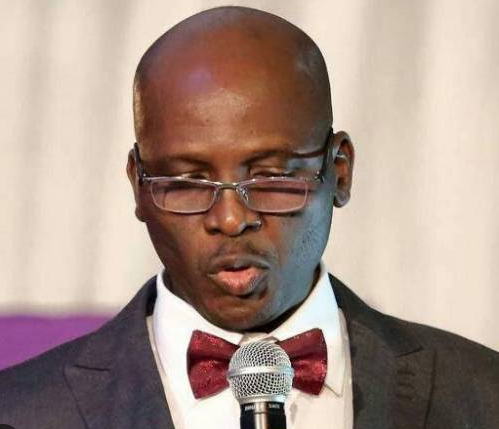
Reverend Ekpenyong Okon Bassey, popularly known as Daddy Karis, belonged to the latter category. His passing on 4 November 2026 is a significant loss to Nigeria’s gospel music community, but also an opportunity to reflect on a breed of professionals whose commitment to their calling transcends personal recognition.
My encounters with this remarkable gentleman go back a few decades. As a journalist in the early 1990s, I had a reporter-subject relationship with him, discussing his music organisation and its developing vision. I was subsequently invited to a couple of his African Easter Cantata presentations – occasions where one could witness something of his passion for gospel music, creative expression and nurturing younger talents.
However, our professional association through the Music & Entertainment Gospel Awards (MEGA), which I founded in 2013, gave me a deeper appreciation of the man.
Daddy Karis was one of the oldest, if not the oldest, members of our Board of Judges. Yet, age was no excuse for reduced participation or ceremonial presence. He brought an energy and intellectual engagement that could make one forget the responsibilities and spiritual commitments competing for his time.
MEGA was not one of those awards platforms where familiar names assembled, endorsed a list and went home. We operated a rigorous, exacting evaluation system. In some years, we received well over a thousand song and video entries, all requiring screening, assessment and painstaking comparison before nominees and eventual winners emerged.
The process could be exhausting. Judges sometimes converged in a screening room for several hours, occasionally stretching into consecutive days. Every submission deserved a fair hearing, every assessment needed justification, and the adjudication criteria themselves were periodically interrogated.
Daddy Karis was invariably in the thick of it. He probed, questioned and challenged arguments, expanding discussions for and against particular submissions. He was interested not merely in reaching a verdict but in understanding the musical and creative considerations behind it. He was also prepared to revisit established criteria when emerging sounds, changing production techniques and evolving expressions of gospel music demanded fresh perspectives.
That adaptability mattered. Gospel music, like every other creative expression, does not stand still. A judge who insists that everything must conform to the musical tastes of his generation risks becoming an obstacle to progress. Daddy Karis understood the need to balance established standards with changing creative realities. I found that admirable.
He was committed, disciplined, thorough and remarkably consistent. Despite his own ministry responsibilities and advancing years, he never suggested that his age or standing entitled him to an easier assignment. When he accepted a responsibility, he took it seriously.
MEGA operated for five years, between 2013 and 2018. I remain grateful that someone of his experience and standing considered our ambitious attempt to recognise excellence in gospel music worthy of his time and intellectual investment.
But to understand the man behind those adjudication sessions, one must go further back. Karis Band was established in October 1986, with a vision to evangelise through music and promote quality standards of worship in the Church. Alongside his wife, Reverend Pat Bassey, he built what developed into Karis Music Ministry, an institution that became part of the evolution of contemporary gospel music in Nigeria.
It was much more than a musical group seeking engagements and performance opportunities. It had a developmental vision.
Over the years, several musicians who subsequently became prominent names in Nigerian gospel music were associated with the Karis stable. The late Sammie Okposo, Nathaniel Bassey, Agboola Shadare and Hope Isesere are among those linked to its musical development.
Consider the significance. At a time when aspiring musicians struggled to find professional platforms, guidance and exposure, Karis provided an environment where young people could develop their abilities and gain experience.
Daddy Karis understood that nurturing talent involved much more than providing a microphone. In a 2020 interview, he spoke candidly about the financial and organisational demands of sustaining a gospel music ministry: maintaining equipment, training and rehearsing a mass choir, supporting musicians and helping younger members meet educational and other developmental needs.
That was the less glamorous side of ministry, requiring planning, resources, patience and personal sacrifice. It also reflected his understanding that those who serve through music have families, responsibilities and aspirations beyond the stage.
His African Easter Cantata was another expression of this expansive vision. Combining Nigerian cultural heritage, classical and contemporary gospel music, drama and other artistic forms, it offered a distinctive interpretation of the Easter story. By 2020, it had reached its fourteenth edition. Sustaining such an undertaking over the years speaks volumes about his perseverance.
His personal journey was equally interesting. His background included military service, formal training in accounting and a career in corporate administration before he devoted himself fully to ministry. Perhaps these experiences contributed to the discipline and organisational consciousness I encountered during our MEGA years. Whatever the explanation, he clearly did not believe that serving God meant abandoning professional standards.
And therein lies one of the enduring lessons of his life. We celebrate gospel music through its visible performers: the singers, their releases, concerts and international recognition. But behind many successful careers are people who provided the platforms, discipline, encouragement and organisational support that made those achievements possible.
Unfortunately, the builders do not always receive commensurate recognition. Their contributions can become obscured by the eventual success of those they helped nurture.
Daddy Karis deserves to be remembered beyond the music he produced and the ministry he established. His legacy includes the people he encouraged, the standards he defended, the opportunities he created and the professional responsibilities he discharged, often without any expectation of applause.
His passing also raises questions for Nigeria’s gospel music community. How much attention do we pay to preserving institutional knowledge? Who documents the experiences of these pioneers? Who sustains their developmental philosophies and creates structures through which younger generations can benefit from their experience?
It would be unfortunate if the passing of such personalities generated only temporary emotional tributes before their contributions disappeared from collective memory.
I remember Daddy Karis not merely as a pioneering gospel music minister and founder of an enduring musical institution, but as a professional colleague whose dedication I witnessed at close quarters. He was not at MEGA to decorate our judging panel. He came to work, to interrogate, to contribute and to ensure that our process was worthy of the music and musicians being assessed.
That is the kind of professional commitment that deserves to be celebrated.
Some people leave behind recordings. Others leave behind institutions. The truly fortunate leave behind people whose lives and careers bear testimony to their investment.
Daddy Karis leaves us with all three.
