Follow THISDAYLIVE on GoogleAdd us as a preferred source to see more of our stories in Google
The Frontlines
The 2027 general elections are upon us, and in less than three months, Nigerians will head to the polls to decide who will lead them for the next four years. For now, the frontrunners include the incumbent, President Bola Tinubu, Atiku Abubakar and Peter Obi of APC, ADC and NDC, respectively, and their running mates are on the campaign stomps across the country, pitching their manifestos.
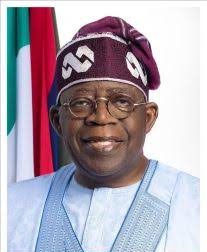
For Tinubu, he is the man to beat, as he enters the race as an incumbent. This means he has to run on a record of what he has done in his first term. Unlike Atiku and Obi, who are untested, Tinubu has been in the saddle for three-plus years; it is a referendum.
Optimistically couched as a renewed hope agenda, Candidate Tinubu then promised to provide reliable electricity and end estimated billing. At a 2023 meeting with the Organised Private Sector in Lagos, Tinubu was recorded as pledging to deliver electricity “by all means necessary” and end estimated billing. He stated that voters should not re-elect him if he failed to deliver without providing adequate reasons for any shortfall.
On the economic front, he targeted an improved GDP alongside sweeping reforms. His action plan aimed for 10% GDP growth, streamlined budgeting, tax reforms, introduction of anti-waste measures, and structural adjustments to exchange and interest rates. He promised to prioritise domestic manufacturing, import substitution, job creation, and establish a consumer credit system for purchases like locally assembled vehicles.
Candidate Tinubu promised measures that included establishment of anti-terrorist battalions, weapons modernisation, local hardware manufacturing, police reforms, an Integrated Identity Database, and a Critical Infrastructure Protection (CIP) plan. The manifesto also included a national potable water campaign plan targeting access within five minutes for every Nigerian by decade’s end, alongside dam reticulation, irrigation, rural water systems, highway expansion, and the Great Green Wall project, among others.
So has the President delivered on his promises? Yes, he has, to some extent, fulfilled some of his campaign promises, like growing GDP to 4.4% and reducing inflation from 36% to 14%, clearing pension and gratuity arrears and increasing pensions and the minimum wage.
However, since the campaigns commenced, the President and his ruling party have been campaigning as if they are the underdogs in this race. Rather than marshalling what they have done in the past three years to lead the quest for another term, the campaign seems desperate, clueless and solely intent on stifling opposition so that Tinubu emerges as the sole candidate. This is against the spirit of popular participation that democracy stands for.
A story is being told of the late Sam Mbakwe, former governor of Imo State. Mbakwe was an NPP governor in 1979 during the NPN-led government of Alhaji Shehu Shagari. Mbakwe became popularly known as the weeping governor. According to the story, although Mbakwe was in an opposition party, he was always cap in hand in Abuja, begging Shagari for additional funds to develop his state.
When it was time for re-election, Mbakwe was unenthusiastic about campaigning. When asked why he wasn’t in the field campaigning for reelection, he retorted that his manifest good deeds should speak and campaign for him; otherwise, he is undeserving of reelection.
Another scenario is worth drawing attention to. On November 23, 2026, Nvidia’s board unanimously reinstated co-founder Jensen Huang as President, CEO, and board director, and his reinstatement was just 11 days after he resigned amid reports of extramarital affairs, including one involving a businesswoman suspected of ties to Chinese intelligence.
On the day Huang returned to office, the global audience watched as Nvidia’s staff lined up, taking up every available space to welcome back their much-cherished CEO. The company’s shares on NYSE also responded to the news, appreciating by over 30% in agreement with the board’s decision.
All these could only be summarised to mean that you don’t change a winning team because of the value it brings to the table. If you juxtapose this scenario with the Nigerian political situation, the contrast is clear. The ruling party and President Tinubu ought not to be as desperate as they are today.
What is the essence of gathering all the state governors into a single party? Is it a show of strength, or what is the value when it is obvious that they are being shepherded to act in that way? If the governors are coerced into the bandwagon, will the people follow?
Now, even with the bandwagon followership, why is the NDC, with its organic followership pan-Nigeria, a threat to Tinubu and the ruling party that so much violence is being unleashed on it? History has not forgotten the outcome of the AD primary between Tinubu and late Williams.
Those familiar with the story narrate how the party in the run-up to the primary for Lagos governor, set a rule that any contestant for whom violence is recorded in his area will be disqualified. According to the source, Tinubu’s team reportedly invaded the venue of the primary and disrupted the exercise, prompting the party to cancel the result as agreed in favour of Tinubu.
The current election subterfuge directed against opposition parties would set the death knell for this hard-fought democracy that Tinubu claims. If you fought very hard for democracy, you should be in the forefront defending it. What we are experiencing today with the stoning of the Presidential convoy and the destruction of the ruling party’s campaign billboards are ominous signs of what is to come.
These violent reactions are a subtle message, a referendum that, although the President points to the removal of the fuel subsidy and unification of forex windows, Nigerians are worse off today than they were in 2015 under the Jonathan administration.
What has changed? To even imagine that this same President who led a protest against Jonathan for removing the subsidy and declaring that subsidy is a scam, and turning round to claim it as a legacy policy is nothing short of fraud. The President must think Nigerians are also suffering from dementia. No, they are not, and the majority are mentally alert and will. seek accountability.
As it stands, Nigerians are gradually unravelling from their complacent docility and are ready to say No to calls for more sacrifices. They have sacrificed enough and are ready to take back their commonwealth. No government has ever come to power with a deal that does not urge Nigerians to sacrifice and fasten their seat belts.
As Nigerians fasten their seat belts, what happens? The elites and family members take control and share the commonwealth, acquiring even what they have no use for in their third generation. That has to stop and give way to accountability and probity. In 2027, we need a government that makes a radical break from the past, leading by example. A government that will reverse the rules and put the people first. It must serve the people by sacrificing, with officials embracing austere policies, like living in their own houses and driving their own cars to work, living among the people, shopping in the same malls, driving on the same pothole-filled roads and buying fuel at N1400 too. That indeed will be the beginning of a government by the people, not by Oligarchs, who prefer to buy yachts, new private jets, and. live in gilded houses while the people are killed by kidnappers, bandits and violent crimes.
